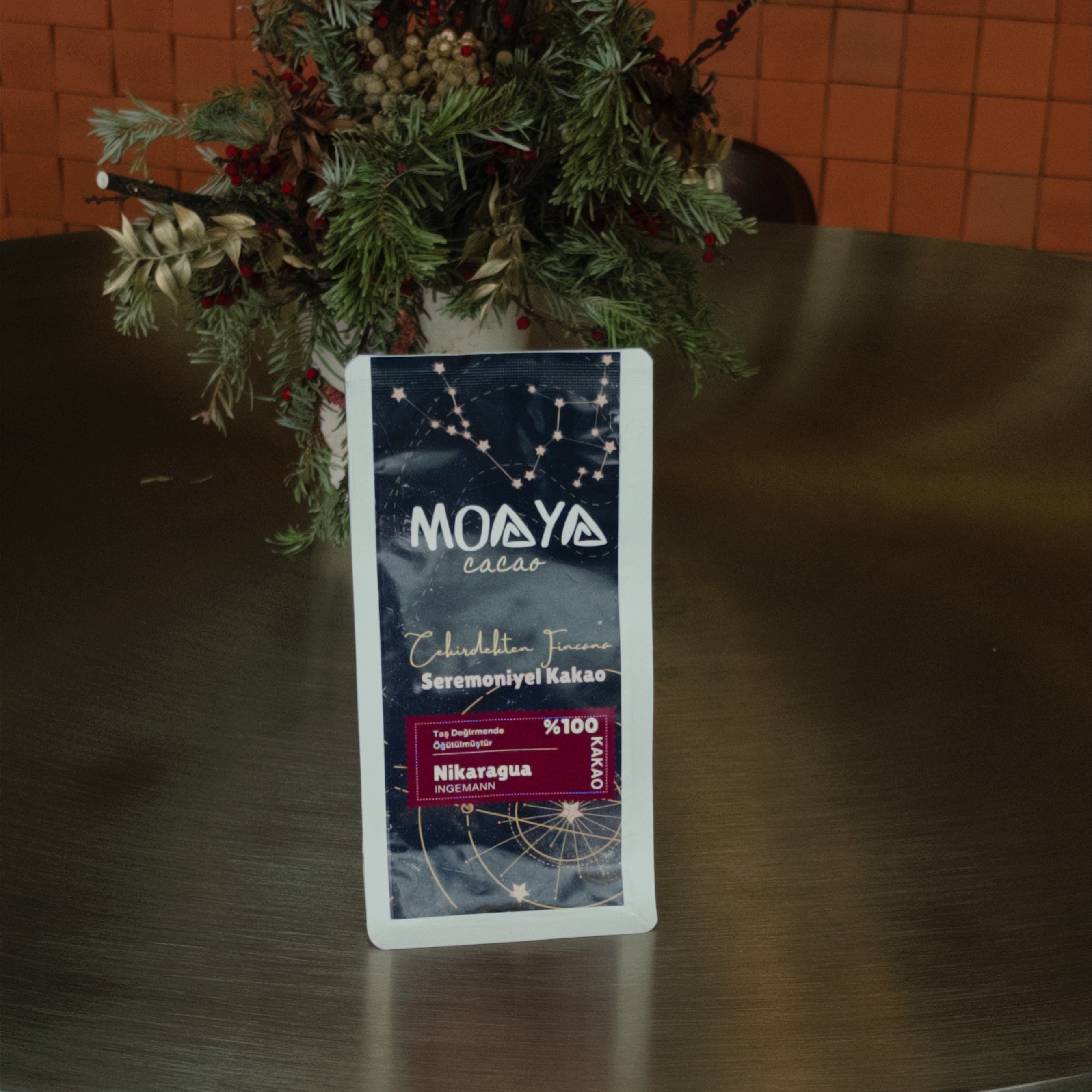
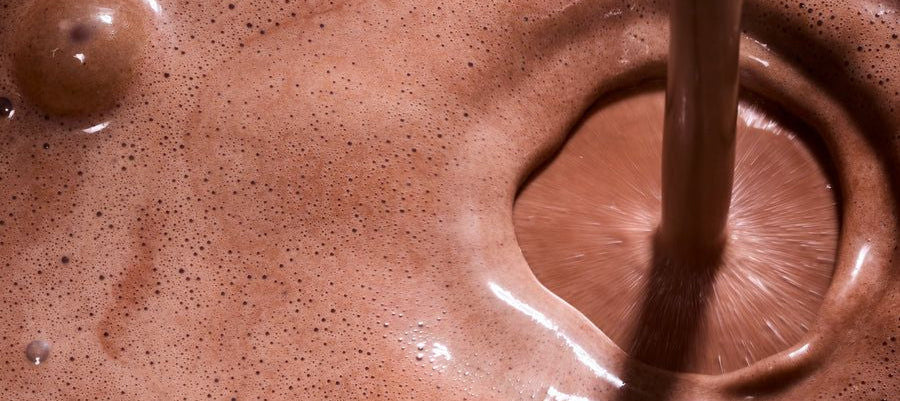
The story of a secret thousands of years old, reaching from the Amazon rainforests into our lives.

Mystic Beginnings
The Heart of the Forest and Initial Fermentation
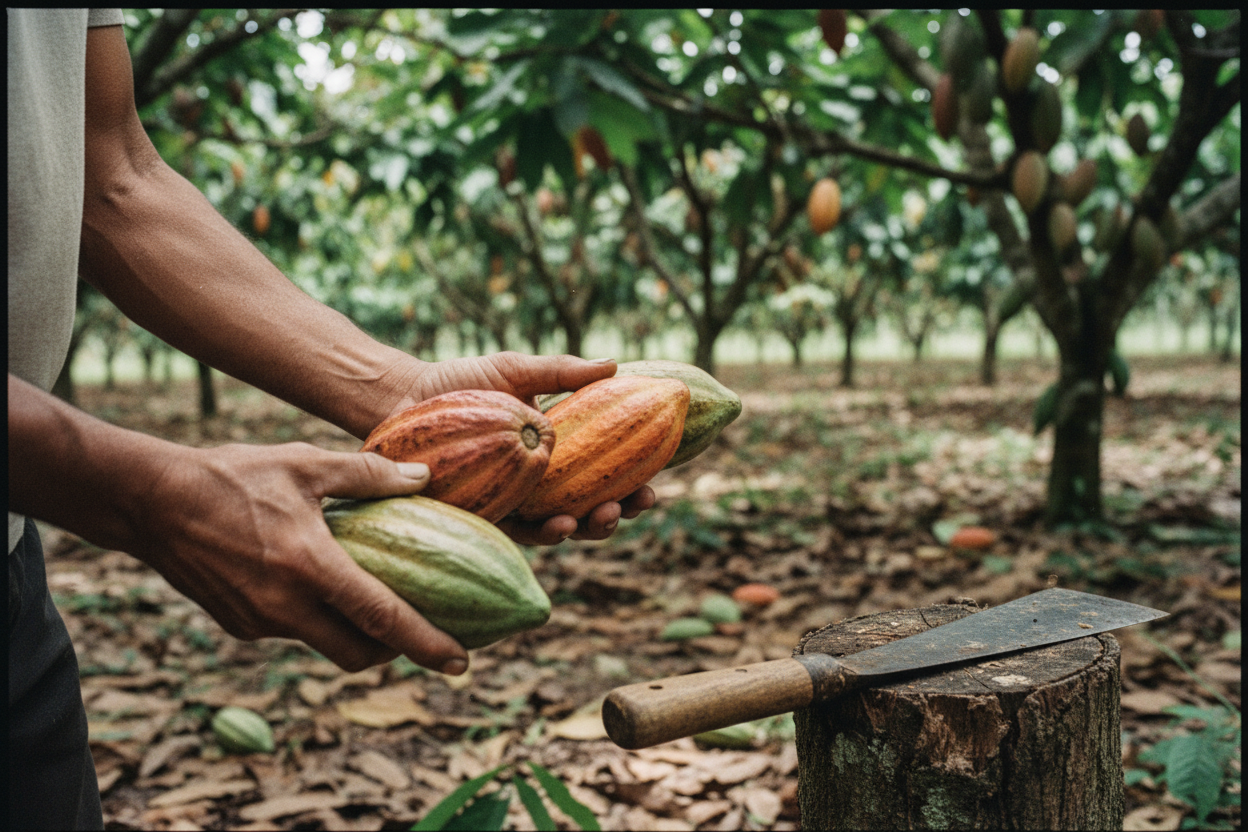
It all began deep in the Amazon basin. Initially, indigenous people consumed only the sweet, white pulp of the cacao fruit, discarding the beans. However, the Olmecs were the first civilization to realize the immense aroma and power that these beans produced when fermented. They domesticated cacao and named it "Kakawa." This was not just an agricultural activity, but the moment humanity discovered one of nature's most complex flavors.
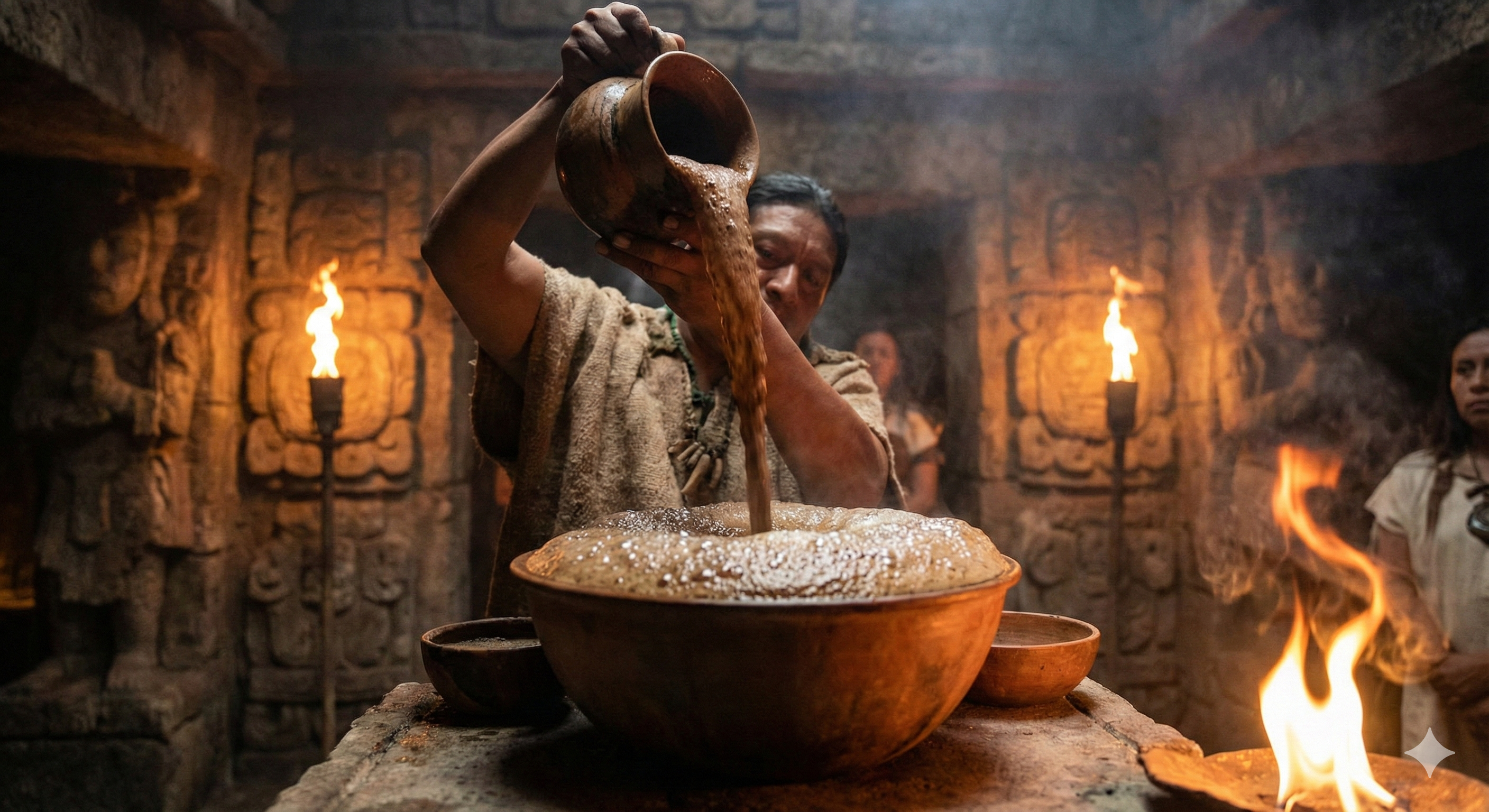
Mayans: Sacred Foam and Rituals
Xocolatl: Elixir of Communion with Gods
For the Mayans, cocoa was at the center of the cycle of life and death. They would roast the beans and grind them on stones, mixing them with water, chili peppers, vanilla, and cornmeal. The thick "foam" they created by pouring this mixture from a height was considered the soul of the drink. This bitter and spicy elixir (Xocolatl) was not just a beverage; it was a sacred tool blessed at weddings and births, and offered to the gods in religious ceremonies. According to them, cocoa was a divine gift bestowed upon humanity.
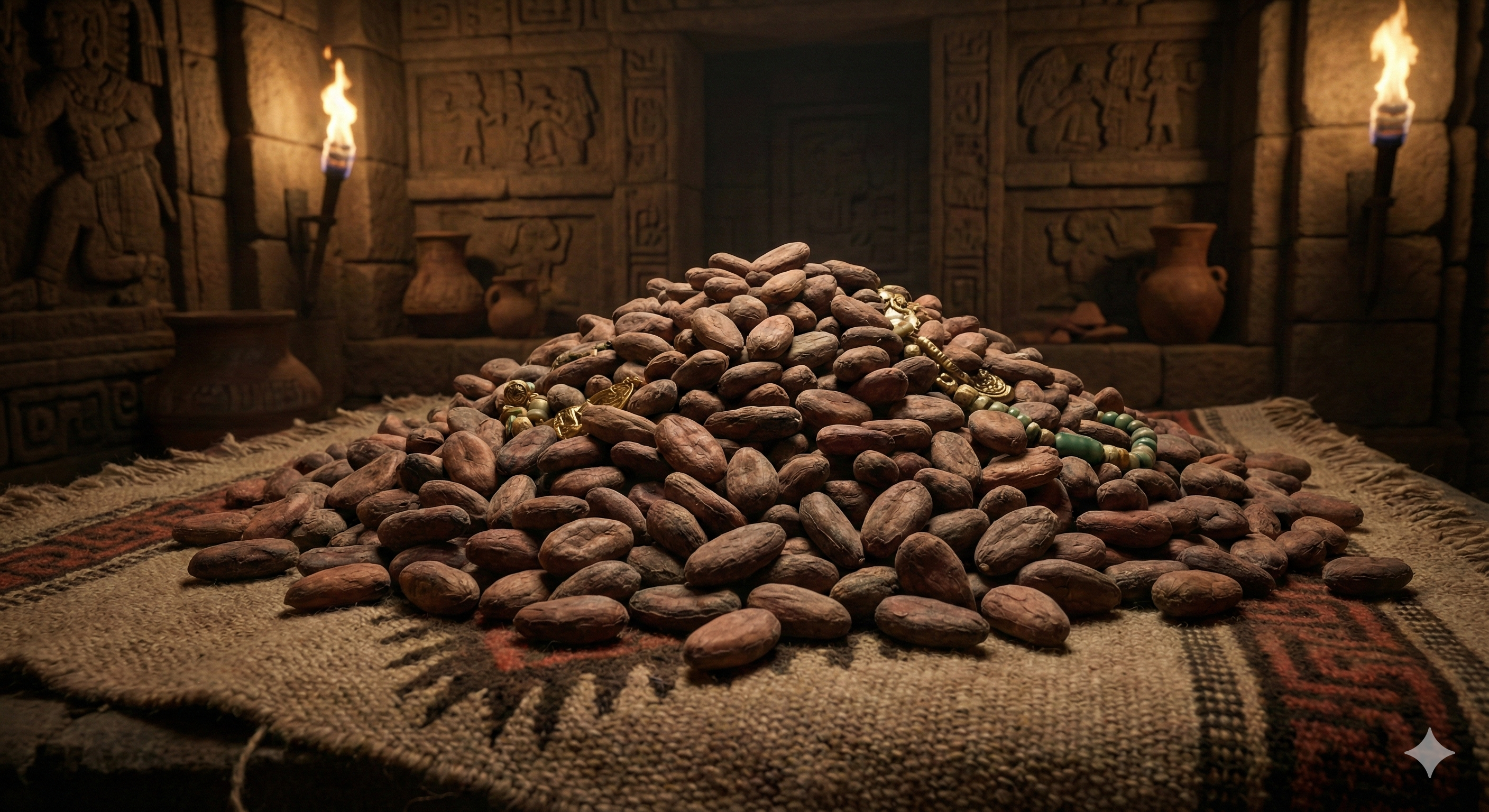
Aztecs: The Power of the Warrior and Trade
Liquid Gold and Warrior Fuel
In the Aztec Empire, cocoa was a symbol of material and physical power. The beans were so valuable that they were used as currency; taxes were paid with cocoa. But more importantly, cocoa was a source of energy and healing. Aztec warriors would drink cold and spicy cocoa before going to battle to give them strength and endurance and to suppress their hunger. This elixir, which Montezuma drank from golden goblets, was more a medicine that kept the mind and body fit than a source of pleasurable indulgence.
The Luxury of Palaces and the Reign of Sugar
Crossing the Ocean
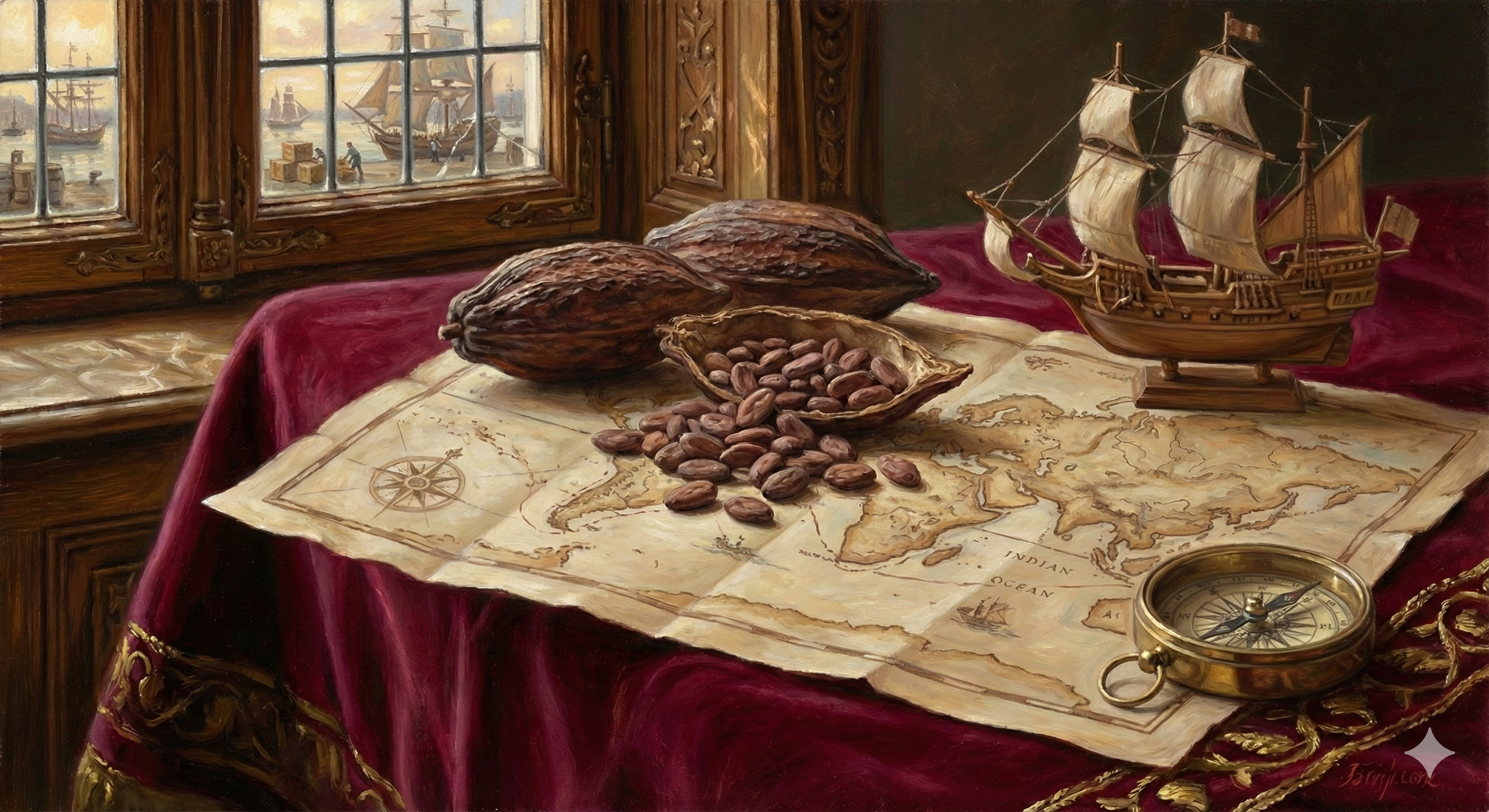
Cocoa's journey to Europe initiated a radical change in its identity. Spanish courts and European aristocracy found cocoa's wild, bitter, and earthy taste "too strong" for their palates. To make it palatable, they began adding sugarcane, honey, and cinnamon. During this period, cocoa moved away from its "functional food" characteristic as a power source for warriors and evolved into a sweet and hedonistic "parlor drink" accessible only to the wealthy. As cocoa grew in popularity, its pure nature began to be masked by sugar.

The Triumph of Form, the Loss of Essence
Industrial Revolution and Standardization
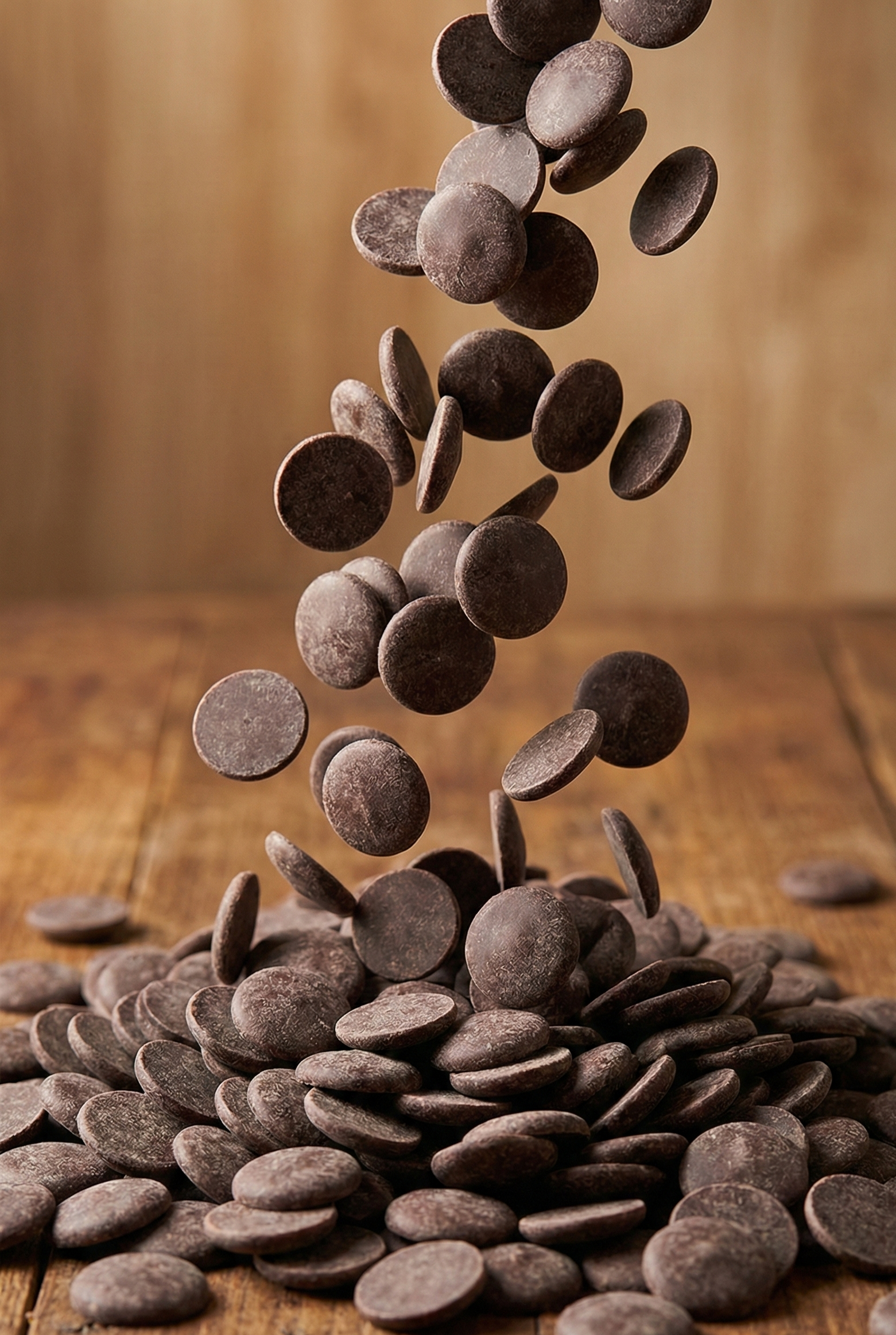
The invention of the cocoa press and the development of the "Dutching" (Alkalization) process in the 1800s popularized chocolate in solid form, but it came at a cost. The processes used to reduce cocoa's acidity and darken its color significantly diminished the most valuable components (polyphenols and antioxidants) within the bean. Cocoa butter and powder were separated, and milk powder was added. Thus, cocoa lost its thousands-of-years-old "medicinal plant" status, becoming a refined, standard "confectionery."

Completing the Loop: Self-Respect
Awakening with Moaya
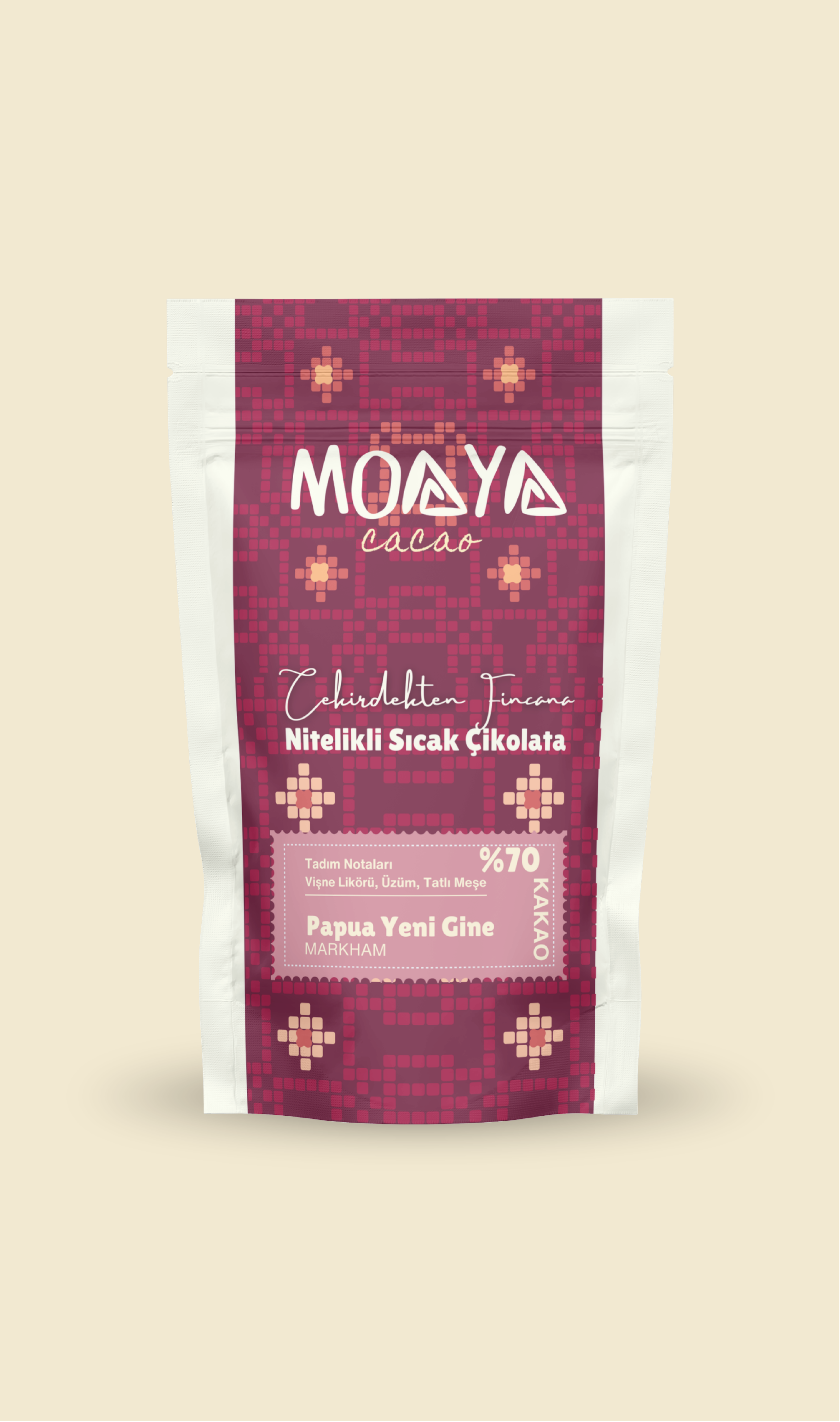
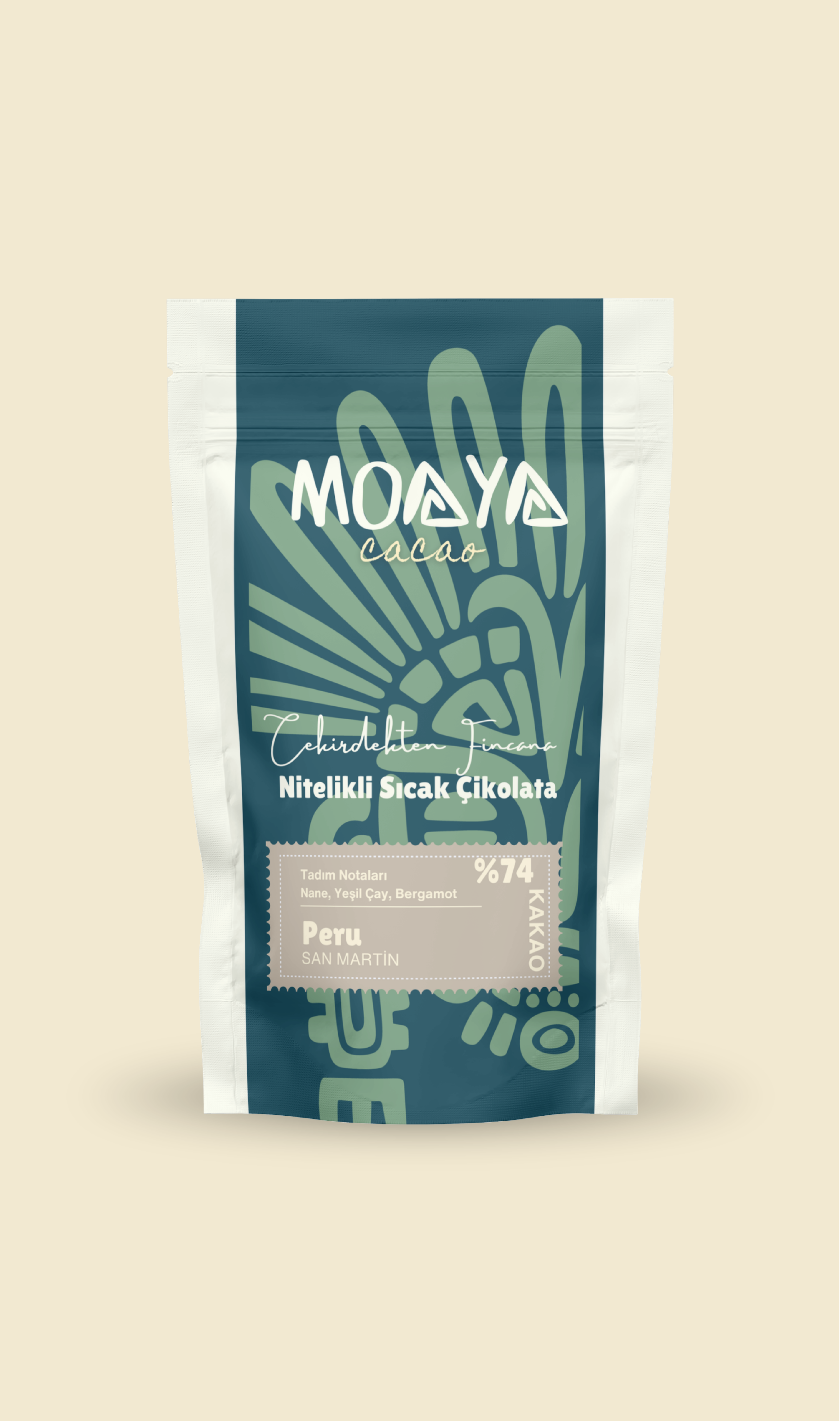
At this point in history, we at Moaya step in. We don't reject modern technology; instead, we use it to preserve the soul of cocoa. By avoiding high heat and chemical processes, we retain the nutritional value, antioxidant power, and fruity aromas of cocoa from ancient times. We put back into our packages the richness that industrial processes consider "excess" and discard or destroy. This is the purest stop on cocoa's millennia-long journey.
Öne çıkan koleksiyon